Tokyo’s Luxury Market Surges 51% Annually, Dubai Follows at 11%
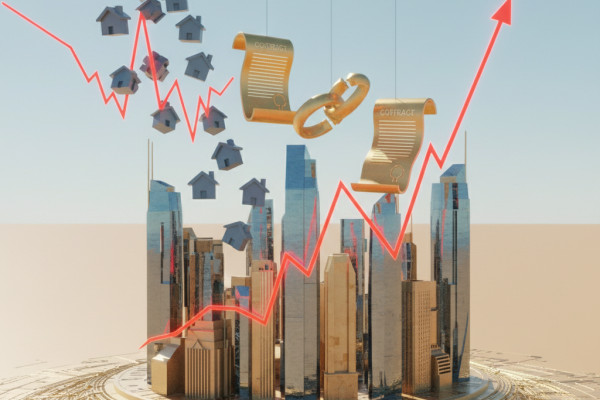
Home to some of the most astounding price growth in the global prime property market, Tokyo has overturned long-held perceptions of the luxury market and, according to the latest data from Knight Frank, prime property prices in the city rose by an astonishing 50.7% over the 12 months to June 2026, overturning an 8.6% drop in the first quarter of the year with a 12.6% rise in the second.
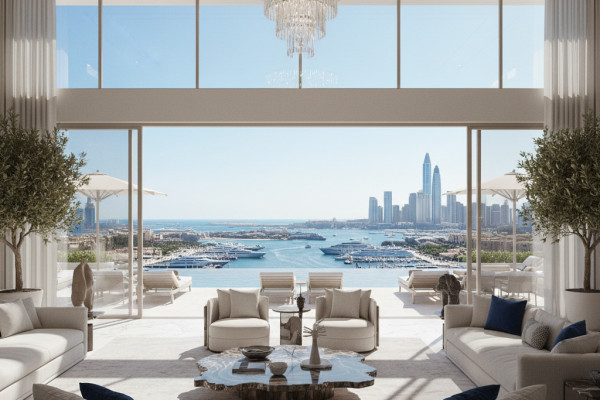
A note on Dubai – despite fluctuations in the market this year, the emirate posted an impressive 10.9% annual price growth for prime residential, ranking third globally alongside Manila after Tokyo. The 5-year price growth for luxury residential in Dubai stands at an impressive 155.3% and continues to attract high numbers of high net worth individuals to the market.
But that’s not the whole story in terms of how luxury markets have performed over the past 12 months. While the likes of Manila, Singapore and Mumbai have delivered double-digit gains and cities such as Singapore, Singapore and Hong Kong risen by low to mid-single figures, it’s largely been the traditional powerhouses that have slipped into decline. This is largely down to local market factors – in many cases supply constrained – currency and, of late, credit. Countries such as Canada and New Zealand have seen their main cities, Toronto and Wellington, experience notable falls.
However, investors must also be aware of the underlying volatility of these two markets. While prices for luxury homes in Tokyo may have soared, the charts can fall just as quickly. The sharp reversal of downturn into upswing for the market in the second quarter was triggered by a number of factors, including interest rate decisions and currency movements. For luxury property investors in Dubai, it is essential to be aware of the flow of wealthy investors into the market and the restricted supply of prime property.
As our data shows that Asia is leading the price momentum in the luxury real estate market, it is worth noting that there are different layers of performance. On one hand, markets such as San Francisco and Los Angeles have reported stable to slightly positive growth over the past 12 months. On the other hand, most of the mainland Chinese cities are experiencing low negative growth and, even though they report minor quarterly increases, they are not yet experiencing a recovery.
What This Means for Your Portfolio:
- Luxury property investors in Tokyo need to have a high risk tolerance and be prepared for big price swings. Therefore, they should invest in several markets worldwide in order to achieve a well-diversified portfolio.
- In the case of Dubai, a focus on long term fundamentals of limited luxury supply, high numbers of affluent expatriates and a host of large scale infrastructure projects currently in development will continue to make the location of choice for many prime property investors. Toy box investments, held for resale, located in the very best locations of well managed developments will be of particular interest.
- Markets falling on a continuous basis and which show no recovery yet, such as London or Beijing, are best to be avoided by investors seeking returns on their investments in the form of capital growth. In these locations only a deep value approach may pay off for investors willing to take on a lot of risk.
- Monitor currency movements and express returns (as appropriate) in terms of constant currency, to avoid being surprised by exchange rate fluctuations.
The Final Takeaway:
In summary, if the established locations of the global luxury property market are no longer as certain as they once were, and the emerging locations deliver the type of returns on investment that have come to be expected from the luxury property market, perhaps it is time to consider locations that offer the greatest potential returns, even if this means accepting greater volatility in their performance.