Rising U.S. Foreclosures Signal Growing Financial Strain, but What It Means for Dubai Investors
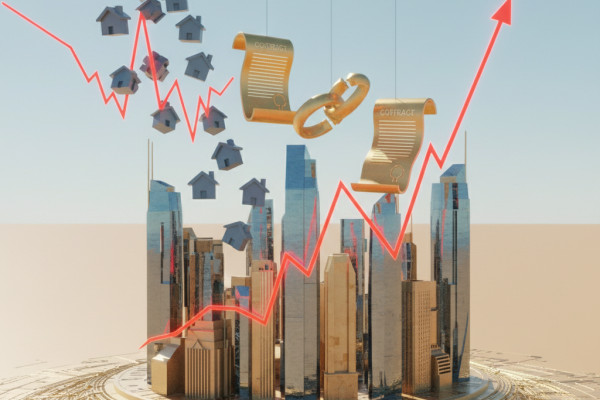
Mortgage foreclosures increased to 0.4% or the highest level in six years, according to RE/MAX latest data for March 2026 across the U.S. In another turn of events, there is a first annual increase in the total quantity of distressed sales within the period and the primary cause attributed to expensive borrowing and high homeownership related costs for borrowers who have fallen into delinquency.
The trend now affects 77% of the US metro areas, up from less than half of them late last year. Mortgage delinquency rates have increased in 40 states with the largest hikes in parts of Florida and Texas.
New statistics from the Attom Data Solutions report issued earlier this week, indicate that short sales inventory have increased in Florida by a massive 75% above 2015 levels in the first quarter this year.
Today’s trends are vastly different from what led to the subprime foreclosure crisis of 2008. At that time, many homeowners had very little to no equity in their homes, while today, thanks in part to long periods of appreciation in housing values across much of the country, homeowners generally have significant amounts of equity in their homes. Further, unlike during the early 2000s, mortgage underwriting standards for obtaining a home mortgage are significantly tighter, all but eliminating the possibility of obtaining a subprime mortgage today.
The trend in distressing foreclosures is gradually starting to translate into the wider housing market which has to date been relatively optimistic, however with mortgage rates, insurance costs and property taxes all on the rise there are now households with very slim margins who will be severely tested by rising costs of their housing. The era of super low levels of foreclosures is coming to an end.
The US is experiencing the first increase in foreclosures in over a year. This is due to many borrowers being in delinquent status for longer periods of time, thus deepening into further delinquent status as they face rising homeownership costs while paying expensive mortgage lending. 77% of all US metropolitan areas are now feeling the pain of high numbers of foreclosures, with 40 states reporting an increase in mortgage delinquencies. Some areas such as certain areas of Florida and Texas are seeing even higher numbers of foreclosures as well as short sales as the affordability of homes are placing even more pressure on home ownership.
What This Means for Your Portfolio:
- When investing in property in the US, you should be aware of the risks of potential foreclosures as well as the economic risks in certain regional markets, including those that rely heavily on the energy industry.
- If you are a Dubai based investor purchasing an off-plan property look into the record of the developer’s delivery of other projects via the Oqood system of the Dubai Department of Real Estate (DLD). There is nothing worse for investors than a delayed project and subsequently increased financial pain for all concerned.
- Be mindful of the rising mortgage costs locally in order to assess the falling yields on the investment on the various projects across the city. Whether it’s a new launch or an off-plan purchase, rising interest rates on mortgage could have a major impact.
- Follow short sales in other global markets and use them as a leading indicator for any wider shifts in the global economy that may in turn impact Dubai’s property investor market.
A New Perspective on Foreclosure Trends:
The growing problem of foreclosures in the U.S. may yet develop into a major crisis, the first of its kind since the 2008 crash. As a new era of ultra-low interest rates comes to an end, and as the prices of goods and services globally have soared, many homeowners could be facing financial difficulties, which could translate into problems for luxury and high-end buyers from Dubai. This is especially so as a growing number of markets around the world are becoming less attractive, which could have the effect of flooding other markets with cash-rich buyers, leading to even higher prices in which to earn a return on their investment. The key to avoiding such problems will be to adopt a more cautious and risk averse approach to property investment, in which the preservation of the capital initially invested is seen as far more important than any returns that may be earned in the future.