NYC Prime Retail Availability Hits Record Low as Rents Climb Sharply
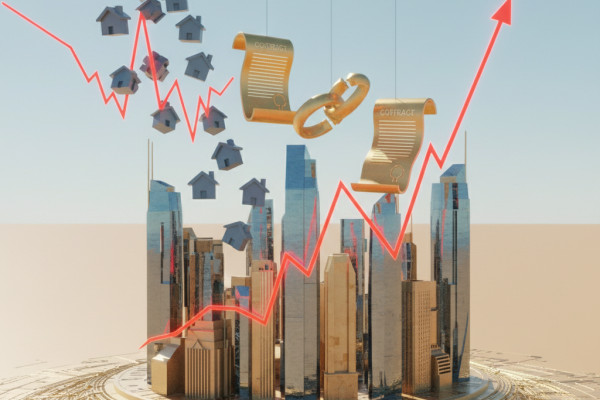
The availability of retail spaces within New York City’s prime shopping districts plummeted to 11.9% in Q2:2016 representing the lowest availability percentage since tracking availability began in 2017. The total number of Prime retail locations available for lease declined to 164 locations down from 238 locations found available in Q1:2016 and a sharp decline of 31% from the 237 available locations found in Q2:2015.
The vacancy rate in SoHo has plummeted to an all-time low of 8%. The rates in Union Square/Flatiron plummeted even further from 14.2% to 11.1% between Q1 and Q2 of 2026. The two trends correlate directly with rents climbing up in the respective retail locations to record averages of $592 per square foot respectively for SoHo and Union Square/Flatiron. They are only just below the peak rents of $592 per square foot seen in Q2 of 2025 in the two respective corridors.
Among those corridors, high-end corridors are continuing to establish themselves as commanding the highest rental values with prices rising as availability is being constrained. Upper Fifth Avenue established a new quarterly rental value high for any study location with average asking rents at $2,516 per square foot – up 9.2% over the prior quarter with an availability rate of only 11.4%. Lower Fifth Avenue and SoHo experienced rental value increases as well with average asking rent per square foot for Lower Fifth Avenue increased 10% to $839/sq ft and the SoHo average asking rent per square foot soared an astonishing 17.4% to $386/sq ft. Although Madison Avenue experienced rental values rise just 2.5% to $890/sq ft in Q2 2026 its limited availability with a vacancy rate of 8% yielded same strong investment interest as other tight sub-markets in study.
However, retail corridors such as Herald Square and Times Square still possess high levels of availability of 35.2% and 22.1% respectively. Although increasing rents are seeing a change in the tenant mix in these submarkets, with a stronger emphasis on experiences, fitness and luxury retailers, currently these submarkets are seeing a readjustment that may not be sustainable in the long term.
But the real story for investors is that in most areas of New York City, there are also several submarkets adjusting to different retail trends and this rent growth may not be sustainable for traditional retail. At the same time, there is clear growth coming from the luxury end of retail and from experiential retailers, allowing them to command high rents for quality locations.
Patrick A. Smith at JLL notes that prime locations are seeing prices escalate as scarcity develops. Landlords are gaining pricing power in core locations and while the landlord may achieve their desired returns in the short term, the returns may decline as fatigue sets in as investors perceive rent being charged in excess of what the tenant believes to be sustainable.
What This Means for Your Portfolio:
- Focus on highest quality retail real estate in core neighborhoods with vacancy rates below 12% and rising or high rents (e.g. Upper and Lower Fifth Avenue, SoHo, etc.).
- Retailers that specialize in experiential or fitness experiences are filling large blocks of space in New York City’s retail districts on long term leases.
- Be very cautious of what they term “overtly over-retailed” or saturated sub-markets with historically extreme levels of Vacancy (High Herald Square / Times Square) – only anticipate improving or returning Retail rents in those retail zones that reflect meaningful positive changes in Tenant Mix – therefore currently not recommend investing in these retail corridors.
- Use JLL and DLD-like information to monitor current vacancy and rent levels in the local market where you are contemplating a retail real estate investment before you actually invest.
Looking Ahead:
Of course, with economic uncertainty currently prevalent, how long will rental increases be sustained by retailers before they begin to falter and reverse due to increased costs that cannot be passed on to consumers? Only time will tell and a close eye will need to be kept on certain key indicators in order to be able to foretell when a shift in power may occur.