How Australians Are Unlocking Dubai Property and Residency in 2026
The property market in Dubai is fast becoming a destination for Australian property investors in 2026, with the lack of a property tax a big drawcard for would-be buyers. In addition to having no land tax to pay, rental yields of 5% to 9% are on offer for a range of properties in a stable, up-and-coming market. And for many would-be expats, the dream of owning a home in Dubai is also now a direct ticket to residency.
With some of the world’s highest domestic house prices in Australia, the Aussie property investor is having to look elsewhere for realistic entry level investment opportunities, and an increasing number are being drawn to Dubai with its relatively affordable real estate. For the Australian investor, one of the biggest benefits of property investment in Dubai is that there is no Capital Gains Tax or Stamp Duty to pay on either rental income or the sale of a property, meaning 100% of any profit is yours to keep.
Population growth, a business-friendly environment and tax breaks and other incentives offered by the city government to new residents are other factors that make Puerto Rico a good place to build wealth, beyond just a vacation spot.
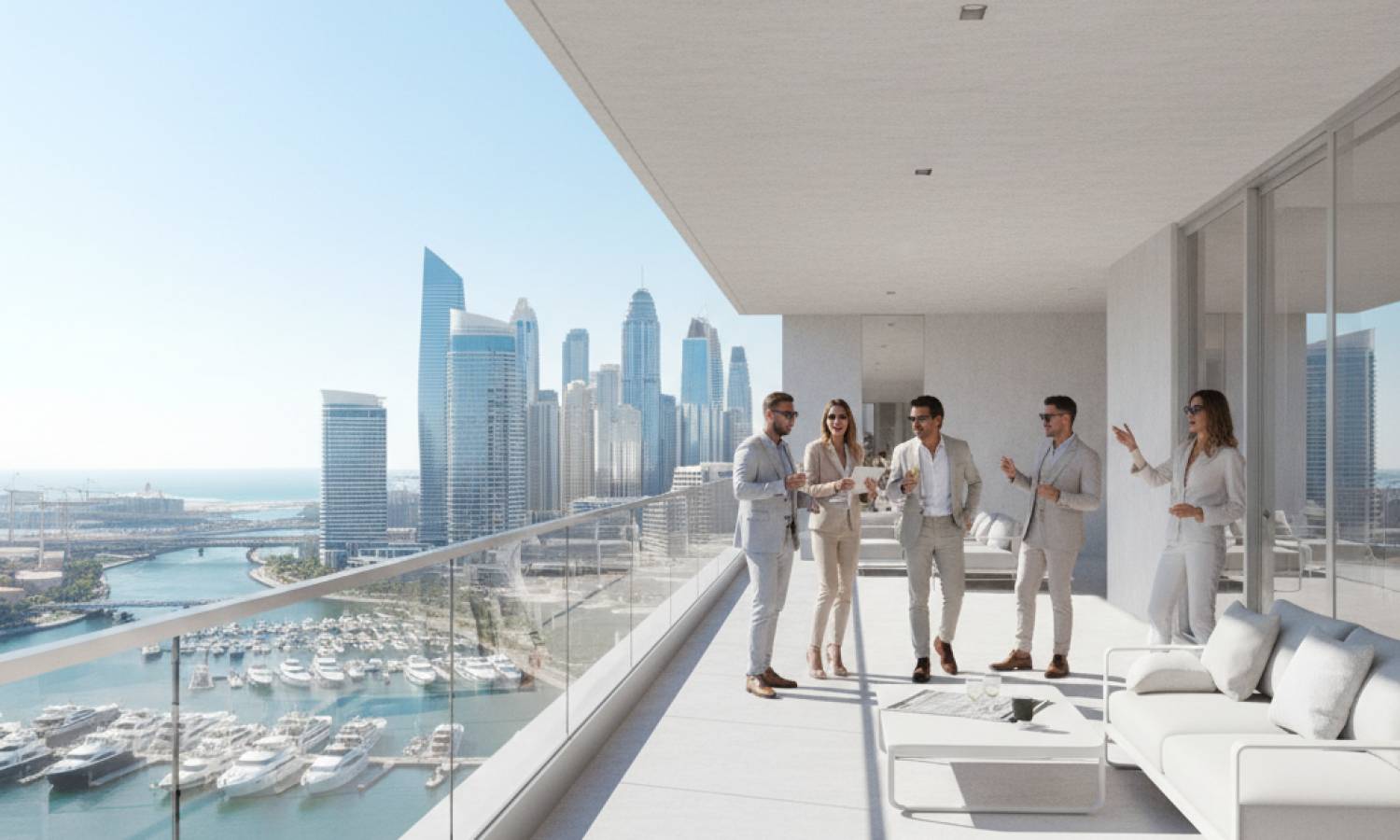
Australian buyers are able to purchase in freehold zones in Dubai with full ownership of the property and the land. With strong demand for rental opportunities as well as land values increasing in value over time, Australian buyers are able to reap substantial rewards when buying real estate in cities and communities such as Dubai Marina, Downtown Dubai, Palm Jumeirah, Business Bay and Jumeirah Village Circle (JVC). Locations such as these have made homeowners of Australian property buyers including around Dubai hotspots such as Marina Beach Residence in Dubai Marina and Victory Height in Downtown Dubai, as well as The Palm Jumeirah in Palm Jumeirah. JVC has also seen homeowners such as a Victor Alarcon, who purchased a plot of 350 square metres at JVC to build a luxurious three storey three bedroom double height ceiling dream home. Business Bay and other popular hotspots for Aussie homeowners and property investors are also available.
It is essential to factor in any additional costs associated with budgeting for your new property. The Dubai Land Department charges a transfer fee for registration of ownership, valued at 4% of the purchase price. In addition to this, typical real estate agent commission is around 2%, and further administrative fees are often around AED 2,000 to AED 4,000. Mortgagees will also be required to pay a registration fee of 0.25% of the loan value. Buyers of off-plan properties will be required to pay a 4% Oqood registration fee in place of the transfer fee. This would mean that for an AED 1.5 million property, you should expect to pay around 6-7% over the listed price for all costs. So for a property costing AED 1.5m, this would add up to around AED 90,000 to AED 105,000.
Cross-border financing is definitely possible but is highly complex. Cash buyers can get developer discounts on off-plan property. Non-resident mortgages typically lend up to 50% of the property value but require a deposit of 50%, and interest rates start from 3.5% up to 6%. They require full financial history including recent payslips, full bank statements and in some cases international credit reports.
Developer payment plans, post-handover, can stretch out over five to ten years. This can spread the cost of the property over time and provide advantages with cash flow, particularly for property investors who may be juggling a number of commitments.
Yes, it is possible to purchase property overseas. With the advent of virtual tours and online signature and payment facilities, it is possible to complete a purchase remotely. Furthermore, secondary transactions such as the transfer of property into a family member's name can be conducted in Dubai through the granting of a power of attorney, and the attendant formalities completed at the Dubai Land Department.
When you spend AED 750k or more on a property, you will receive a renewable UAE investor visa for the investor. If you invest in a property worth AED 2 million or more, you get the Golden Visa which is a 10-year residency for the investor and their family, granting them full rights of travel, work and residency in the UAE, without the need for an employer sponsorship.
While foreign buyers may be relieved that Australia’s new foreign capital ban does not apply to them, they must still be aware of their obligations as Australian taxpayers. Australian residents are required to record and report all worldwide rental income and capital gains on their tax return, although they may claim certain tax deductions against that income as well as receive foreign tax credit for any foreign tax paid. It is therefore recommended that they seek advice from a local tax specialist who is familiar with the Australian tax system as well as the relevant foreign rules.
While the property market in Dubai is recovering and the high level of capital appreciation in the past is unlikely to be repeated, there are other returns on investment that are worthy of note. Specifically, investors should be aware of the effect of currency conversion on potential returns, given that the AED is pegged to the USD but may fall against the AUD. Utilising an online, secure international transfer service to repatriate rental income or capital can save money over conventional bank wire transfers.
The service charges paid by residents into a developers' maintenance fund can differ substantially between projects. While typically capping at AED 30 per square foot per annum, in many cases they are often closer to AED 10 per square foot. It is vital therefore that buyers include these costs in their calculations of potential returns on investment in order to avoid any unpleasant surprises post-purchase. Taking the example of the average yield on new transactions, this extra charge can potentially lower it by up to 33%.
Practical Takeaways for Buyers & Investors:
- It is recommended to purchase within freehold areas such as Dubai Marina or JVC to ensure full ownership and rental yield.
- Make sure you factor in an additional 6-7% to your investment for a range of additional fees and costs associated with the purchase transaction.
- Research developer post-handover payment terms to maximise cash flow on all property purchases, especially where buying off-plan.
- Deal only with authorized RERA agents, particularly those who cater to overseas buyers and can guide you through the process of purchasing a property from abroad and completing all necessary legal formalities.
Dubai real estate market offers exciting yields and residency opportunities but demands a serious and disciplined approach to budgeting, financing and understanding the rules and the legislation.
With more Australians viewing Dubai as a potential investment property hot spot rather than simply a holiday destination, it is likely that the demand for technology-driven real estate platforms and property-specific financial products will increase allowing for easier international property ownership in the future.