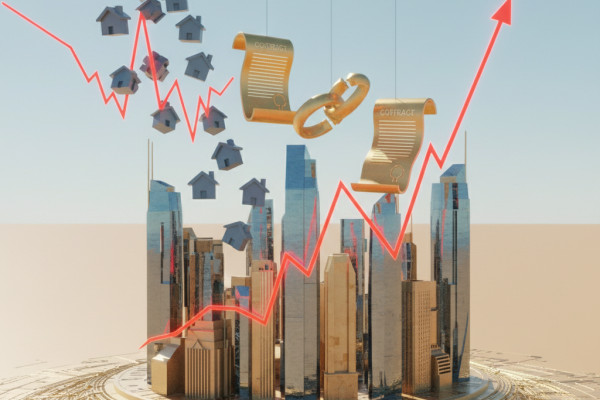
U.S. Housing Market Swings Sharply to Buyers Amid Record Seller Surplus
A historical high of 62.6% sellers over buyers in the U.S. (home sellers outnumbering home buyers) in the U.S. was reported by Redfin in their housing market data for September 2026, the largest such number since they first began to collect and report such data in 2013 for the U.S. as a whole. (This represented an increase from 56.9% in August and marked the 4th straight month of record high numbers.)
The increased number of active sellers (1.51M) as well as low buyer activity (928K) are translating into high levels of inventory on the market, in many cases severely impaired by higher-than-normal prices of homes and severe costs of mortgage financing, as well as costs of insurance and HOA’s, particularly in Florida. Several Sun Belt cities, such as Miami, Tampa and Houston have the greatest imbalance of sellers to buyers with Miami alone being 159% greater than the inverse.
For many years of the boom there was an aggressive amount of new home construction taking place in these regions. But high mortgage rates (greater than 7% today) plus other costs of homeownership like insurance and HOA’s have kept an overload of inventory on the market from drawing too many new buyers to the field.
While there are more homes for sale than ever before, many owners are holding out for higher prices. In addition, the costs of financing a home, even with excellent credit, are preventing many would-be buyers from entering the housing market.
Sellers however will notice homes taking longer to sell, with frequent price reductions and negotiating becoming the norm. Currently only 5 metros are classed as having a Seller’s Market, all located in the New York metro area and San Francisco area. These markets are characterized by constrained new construction, wealthy tech sector households and strong local economy.
Practical Takeaways for Buyers & Investors:
- In Sun Belt metros with a large inventory of homes such as Miami and Tampa, buyers will have an advantage in negotiating price cuts, closing cost concessions, and other benefits including possible mortgage-rate buydowns.
- San Francisco will continue to appreciate in price and suffer from very poor affordability, but will have continued demand due to positive economic trends in the region.
- Prices have to be correct from the start – protracted marketing periods and price reductions are increasingly becoming the norm and have to be avoided by sellers in highly competitive markets.
- The current mortgage rate above 7% affects the dynamics of the market as well as the number of potential home buyers.
The housing market is reaching a new equilibrium. While more homes on the market are being made available by sellers, the number of homes selling will depend on relief from higher financing costs and from increased confidence by buyers. To pursue capital gains, investors will have to pursue lower returns in the form of cash flow from well-positioned homes in undervalued supply-surplus markets.